
Networking
How data finds its way across the internet: addresses, ports, protocols, and the devices in between.
Videos
5 explanations, easiest first
What does a CPU do and why does it affect speed?
A CPU (central processing unit) is the chip that runs your apps by repeating one short loop billions of times a second: fetch an instruction, decode it, execute it, store the result.
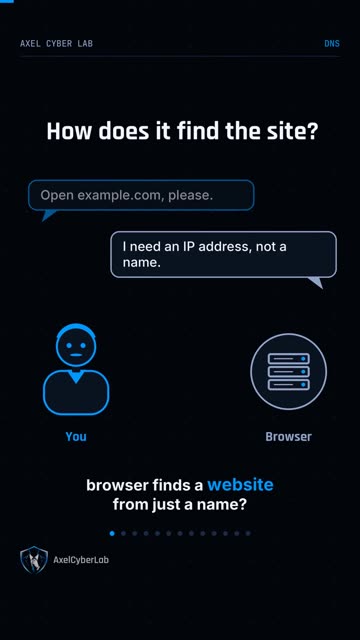
What is DNS?
DNS (Domain Name System) is the internet's phonebook: it translates names like example.com into the IP addresses computers use to find each other.
What is a MAC address?
A MAC address is the 48-bit number of a network card. It tells Ethernet or Wi-Fi which device receives a frame on one link, while the IP address says which host the data is for.
How does the TCP three-way handshake work?
The TCP (Transmission Control Protocol) three-way handshake is three tiny messages, SYN, SYN-ACK, and ACK, that your device and a server usually trade to open a connection before page data moves.
What is the difference between TCP and UDP?
TCP (Transmission Control Protocol) numbers every byte and resends anything lost, so data arrives complete and in order. UDP (User Datagram Protocol) skips the checks and just sends, so any repair is left to the app.
Roadmaps that cover networking
Cybersecurity from Zero
Start with how the internet actually works, then secure your own accounts and devices before learning how attackers think. Each stage mixes short explanations, small tools, and safe hands-on tasks on your own computer.
Networking Fundamentals
Networking is the foundation under almost every security skill. This path takes you from addresses and names to models, home networks, secure traffic, and finally reading real packets on your own machine.
SOC Analyst
Learn how a Security Operations Center detects and responds to threats. You will build a small home lab, read real logs from your own machines, map activity to MITRE ATT&CK, and practice the incident response process.